Thinking about creating an accessory apartment on your Greenwich property, but not sure where to start? You’re not alone. Between zoning rules, septic limits, and permit steps, it can feel complicated fast. This guide breaks down what counts as an ADU in Greenwich, the reviews you should expect, the biggest feasibility blockers, and a simple flow to decide your next move. Let’s dive in.
What counts as an ADU in Greenwich
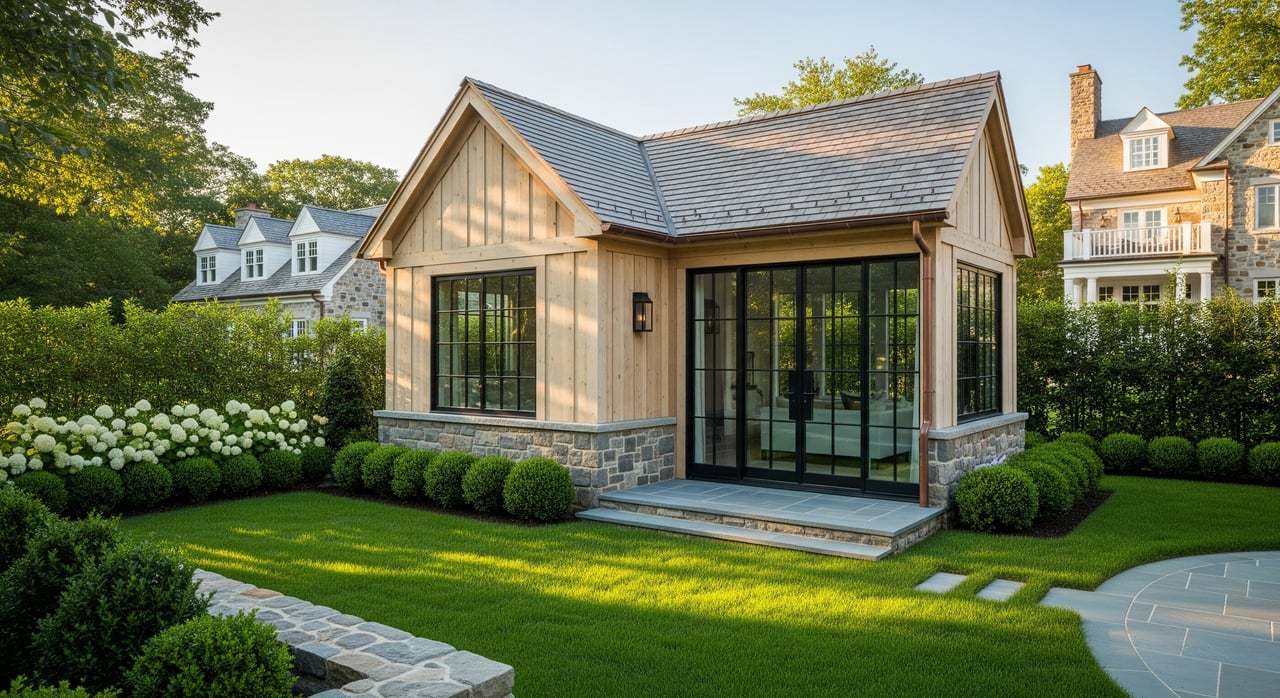
An accessory dwelling unit, sometimes called an accessory apartment, is a small, independent home on the same lot as your main house. It has its own sleeping area, kitchen or kitchenette, and bathroom. You can create one by converting space inside your home, building an addition, or using a detached structure.
In Greenwich, the name is less important than the category in the zoning rules. What matters is how the town regulates accessory apartments and which permit path applies to your property.
Who regulates ADUs here
Several authorities work together when you propose an accessory apartment:
- Greenwich Planning & Zoning Department: determines if ADUs are allowed in your zoning district and sets conditions like size, parking, and owner occupancy.
- Greenwich Building Department: enforces the Connecticut State Building Code for safety, structure, and life safety.
- Greenwich Health Department/Sanitarian and Greenwich Sewer Division: confirm septic capacity or sewer connection status and approvals.
- Connecticut State Building Code and Connecticut General Statutes: provide the statewide framework towns follow.
Deed restrictions, condominium bylaws, preservation easements, and historic district rules can also limit what you can build even if zoning allows it.
Key rules to confirm first
Where ADUs are allowed
Check your zoning district on the Greenwich zoning map and the Table of Uses. Some districts may allow accessory apartments by right or with an administrative approval. Others may require a special permit and a public hearing. Properties in floodplains, conservation areas, or historic overlays can face extra steps.
Owner occupancy
Many towns require the owner to live in either the main home or the ADU. Confirm whether Greenwich imposes owner-occupancy, when it applies, and whether it is permanent or can be removed later. Always review your deed and any HOA or condo rules.
Unit size and bedrooms
Local rules often limit ADU size by a maximum square footage or a percentage of the main home, and sometimes by bedroom count. Confirm Greenwich’s current cap before drawing plans.
Location and type
- Internal conversion: Often the simplest path. You still need to meet code for ceiling height, egress, ventilation, and fire safety.
- Attached addition: Triggers site plan checks for setbacks and lot coverage.
- Detached unit: Usually faces the strictest height, setback, and coverage limits and can require a special permit.
Parking
Parking is a frequent blocker on smaller lots. Ask how many additional spaces are required per ADU and whether tandem or garage spaces count. Check if any waivers or reductions are available in your zone.
Setbacks, height, and coverage
Conversions rarely change your footprint, but additions and detached units must fit within setbacks, height limits, and lot coverage rules. Be ready to discuss stormwater, tree protection, and impervious surfaces if you expand.
Utilities and wastewater
- Sewer: You may need a sewer connection permit and capacity sign-off.
- Septic: Additional bedrooms increase loading. A sanitary review and possibly a new or expanded system may be required.
- Water and electric: Confirm service capacity and whether a separate meter is allowed.
- Fire protection: The Fire Marshal or Building Department may require sprinklers, smoke/CO alarms, and specific egress.
Life safety and building code
Every ADU must meet the Connecticut State Building Code. Expect requirements for emergency egress, fire separation between units, minimum ceiling heights, stair design, ventilation, insulation, and habitable room sizes. Basement units often need egress windows and moisture control.
Rentals and short-term use
Confirm Greenwich rules on long-term and short-term renting. Some areas limit or regulate rentals under 30 days. Condo documents may limit rentals entirely.
Taxes and assessment
Adding an ADU usually increases assessed value, which can change property taxes. Speak with the Tax Assessor if you want to understand how an ADU could affect your tax bill.
Historic and conservation areas
Homes in historic districts or with preservation easements often face design review. Expect longer timelines and a higher design standard for external changes.
A quick feasibility checklist
Use this list to spot issues early:
- Sewer or septic capacity, and upgrade cost if needed.
- Parking supply and driveway layout on site.
- Lot coverage, setbacks, and height limits.
- Owner-occupancy requirements and deed or condo restrictions.
- Historic district or conservation overlays.
- Cost versus expected rental income or family utility.
If two or more items look tight, an internal conversion may be your best path.
The before-you-draw decision path
Follow this simple flow before investing in plans:
- Zoning district and permit path
- If your zone does not allow accessory apartments, consider a variance or a non-kitchen in-law suite. If allowed, continue.
- Owner occupancy and deed/condo rules
- If rules prohibit your intended use, resolve them first or stop.
- Site constraints
- If an addition or detached unit will not meet setbacks or coverage, consider an internal conversion or pursue a variance. If it fits, continue.
- Parking and access
- If you cannot meet parking requirements, explore tandem, garage reconfiguration, or waivers where possible. If you can, continue.
- Utilities and wastewater
- If sewer capacity is limited or septic cannot support the added bedrooms, get a detailed evaluation and costs. If feasible, continue.
- Building code and life safety
- If ceiling heights, egress, or fire separation are not achievable at reasonable cost, consider another location in the home. If workable, continue.
- Public process and budget
- If the expected timeline, fees, and construction costs fit your goals, proceed to design and applications. If not, revisit scope.
Approvals and a realistic timeline
Here is how the process often unfolds:
- Pre-application conversation with Planning & Zoning and Building (1 to 3 weeks to schedule).
- Zoning application and determination or administrative review (about 2 to 8 weeks depending on completeness and workload).
- Special permit and public hearing if required, including notices and hearing dates (can add several months).
- Building permit review for plans, structural items, and life safety (about 4 to 12 weeks based on scope and backlog).
- Construction and inspections, then final Certificate of Occupancy to legally use the unit.
- Variance requests or appeals add time and should be budgeted into your schedule.
What to bring to a pre-application meeting
- Recent survey or site plan showing structures, driveways, and utilities.
- Existing floor plans or clear sketches and photos of the area to convert.
- A summary of proposed changes and how the unit meets size, parking, and occupancy rules.
- Septic records or a note on sewer status, plus any prior approvals.
- Your deed and any HOA or condo documents.
A short, well-organized packet helps staff give faster, more specific feedback.
Costs and the right team
Project costs vary by scope:
- Internal conversion: often tens of thousands of dollars. Typically the least expensive option.
- Detached new build: frequently six figures, with many projects at 150,000 dollars or more. Septic replacement, utility upgrades, and special permit work can raise costs further.
Professionals you may need:
- Architect or residential designer for plans.
- Civil engineer for site plan, drainage, or septic design.
- Licensed septic designer or sanitarian when on private wastewater.
- Structural engineer if you change framing or add levels.
- Licensed contractors for construction and trade permits.
- Real estate advisor to model rent potential and resale impact.
Smart ADU strategies for Greenwich
- Start with feasibility: confirm zoning, owner-occupancy, parking, and sewer or septic before hiring designers.
- Prioritize internal conversions when site constraints or timelines are tight. You often avoid major site work.
- Solve parking early: re-striping, tandem layouts, or garage strategies can make or break approvals.
- Design to the code: plan for egress windows, fire separation, and ceiling heights from the first sketch.
- Plan for the public process: if a special permit is likely, build that schedule into your budget and timing.
- Pressure test the numbers: factor property tax changes and realistic rent into your return.
How we can help
If you are exploring an accessory apartment for multi-generational living or rental income, you want both local context and objective numbers. We can help you think through value, rent potential, buyer demand, and resale strategy while you coordinate with town staff and your design team. Our investor experience and Fairfield County market knowledge help you weigh cost, timelines, and likely outcomes so you can move forward with confidence.
Ready to assess your options or run a quick value check? Get Your Instant Home Valuation and connect to discuss your property’s ADU potential.
FAQs
What is an ADU in Greenwich?
- An accessory dwelling unit is a second, self-contained home on the same lot as your primary residence, with its own kitchen, bathroom, and sleeping area.
Are accessory apartments allowed on my street?
- It depends on your zoning district and any overlays. Check Greenwich’s Table of Uses and speak with Planning & Zoning to confirm whether an ADU is permitted and what permit type applies.
Do I have to live on the property if I add an ADU?
- Many towns require owner occupancy. Confirm Greenwich’s current rule and how it applies to your specific lot and use.
Can I convert my basement into an ADU?
- Often yes, if the space meets building code for egress, ceiling height, ventilation, moisture control, and fire separation. The Building Department will review your plans and inspect the work.
How big can the ADU be?
- Local rules usually cap size by square footage or as a percent of the main home, and may limit bedrooms. Verify Greenwich’s current limits before designing.
Will I need a new septic system?
- Possibly. Added bedrooms increase loading. The Health Department or a licensed septic designer can evaluate capacity and the cost of any upgrades.
Can I use an ADU for short-term rentals?
- Check Greenwich’s rules on short-term rentals and any condo or deed restrictions. Some areas regulate or limit stays under 30 days.
How long does the permit process take?
- Plan several weeks to a few months for zoning and building reviews. If a special permit or variance is needed, public hearings can add months to the timeline.
What does an ADU cost in Greenwich?
- Internal conversions often cost tens of thousands of dollars. Detached units commonly exceed 150,000 dollars, especially with septic or utility upgrades.
Who should I contact first?
- Start with Planning & Zoning and the Building Department for a pre-application discussion, then confirm sewer or septic status with the Sewer Division or Health Department.