Not sure whether Fairfield Beach, Sasco, Downtown, or Greenfield Hill fits your life? Each pocket offers a different mix of shoreline, walkability, space, and commute. If you are touring from out of town, it can be hard to compare apples to apples. This guide breaks down how each area lives day to day, what to watch for, and how to tour smart so you can choose with confidence. Let’s dive in.
How to choose your Fairfield neighborhood
Start with your top two lifestyle priorities. Do you want daily beach access, walkable restaurants, or more land and privacy? Think about your commute habits and how often you will drive to the train or hop on the parkway. Then weigh home style and lot size against town services and seasonal traffic. The sections below make those tradeoffs clear.
Fairfield Beach
Beach access and vibe
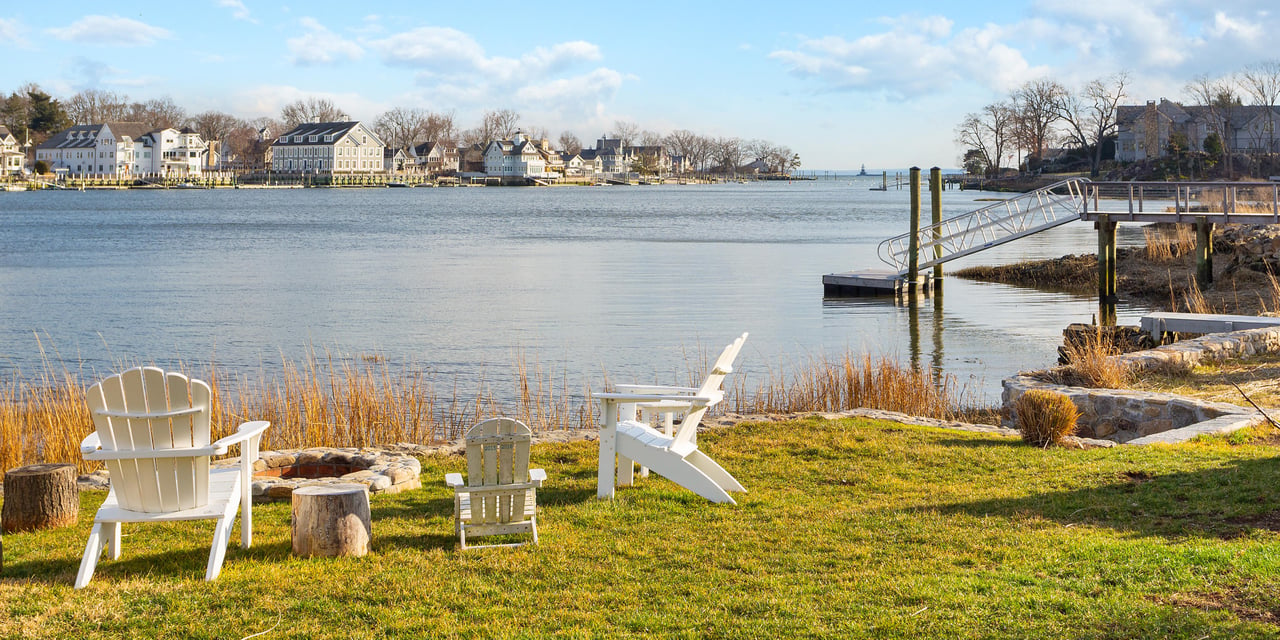
You live close to Long Island Sound here, with public beaches, boardwalks, and seasonal lifeguards that create an active summer scene. It is a true coastal lifestyle, from sunrise walks to evening shoreline views. Beach rules and parking are town managed, and summer activity levels are higher than other parts of town.
Amenities and walkability
Many streets are very walkable to cafés, casual restaurants, and summer shops. Depending on the block, you can also reach downtown services with a short walk or bike ride. Expect a relaxed, beach-town feel most of the year, with more visitors in peak season.
Commute and transport
You are a short drive, and sometimes a walk, to a Metro-North station. Access to I-95 is convenient for coastal driving, and the Merritt Parkway is a bit farther inland. If rail is your routine, look into station parking permits and pickup options.
Homes and lots
Housing ranges from renovated seaside houses to year-round single-family homes, duplexes, and some condos. Lots trend smaller near the water, which supports the walkable fabric and the waterfront premium. Older homes are common, so pay attention to maintenance history and mechanicals.
Fit and tradeoffs
Fairfield Beach suits you if daily shoreline time, summer programs, and an easygoing coastal rhythm top your list. Tradeoffs include potential flood risk and insurance costs, smaller lots, seasonal traffic, and summer noise on busy blocks.
Sasco / Beach Area
Coastal features and access
Sasco covers a quieter stretch of the southwest shoreline, with beaches, marshes, and tidal creeks that create scenic views and opportunities for paddling or boating. Some properties offer private docks, and wetlands are common. Shoreline protection rules often apply, so plan ahead for any future work.
Amenities and pace
It is more residential than commercial, with supermarkets and restaurants a short drive away. You trade immediate retail for a calmer coastal environment and more privacy in many pockets. Parks, small beaches, and natural areas are everyday amenities.
Commute and transport
Most homes rely on a short drive to the train. Road access is similar to other coastal areas, with I-95 nearby and the Merritt reachable by local roads. If you depend on rail, confirm your station routine and parking plan early.
Homes and lots
Expect a range from modest mid-century homes and beach cottages to larger renovated waterfront estates. Tear-downs and rebuilds happen where lots offer views or access to the water. Lot sizes vary, with some inland parcels providing more breathing room.
Fit and tradeoffs
Choose Sasco if you want a quieter coastal experience, privacy, and a focus on boating or nature. Tradeoffs can include flood considerations, fewer walkable shops, seasonal beach traffic, and a likely drive to the station or town center.
Downtown Fairfield
Town life and convenience
This is your most walkable option in Fairfield, with restaurants, bakeries, specialty shops, grocery stores, arts venues, and professional services close together. Municipal services cluster here, along with the library and community events. Nightlife is livelier on weekends.
Beach proximity
Downtown is not a beach neighborhood, but beaches are a short drive away. You can enjoy the shoreline without living next to peak-season activity.
Commute and transport
If you prioritize an easy commute, downtown is a strong fit. Many streets are within walking distance of a Metro-North station. Major roads are close, so driving to regional employment centers is straightforward outside peak congestion.
Homes and lots
The housing stock is diverse. You will see historic Victorian and Colonial homes, mid-century single-family options, townhouses, and condominiums. Lots tend to be smaller near the core, with more multi-family and rental options than in Greenfield Hill.
Fit and tradeoffs
Downtown works if you want a true town-center lifestyle, short errands, and a tighter commute footprint. Expect less privacy, variable parking, and pricing that reflects high walkability.
Greenfield Hill
Village and setting
Greenfield Hill is inland with a quiet, classic New England village feel centered around a historic green. Commercial density is low, and many errands require a short drive. You trade walkable retail for privacy and space.
Commute and transport
Most residents drive to commuter rail. Road access to the Merritt and other routes is reasonable, and train stations are a short drive away. If you rely on rail, confirm your preferred station and parking plan.
Homes and lots
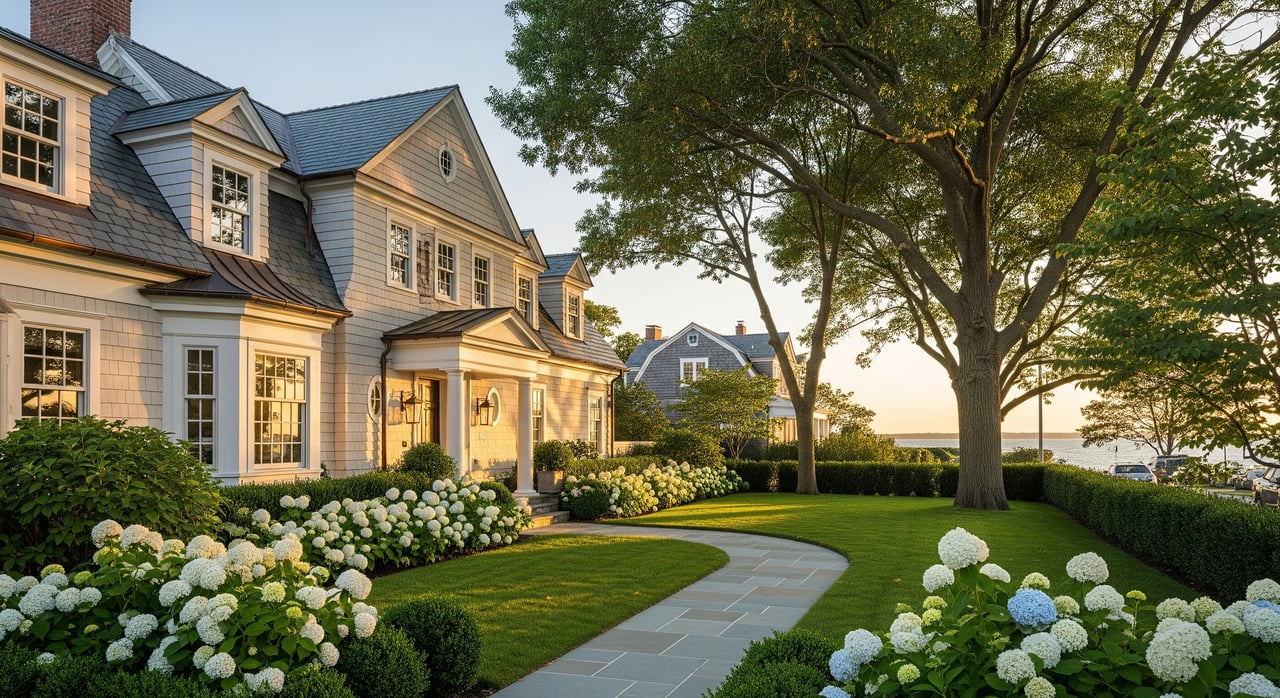
You will find larger lots, historic Colonial-era homes, estate properties, and a mature tree canopy. Zoning typically favors single-family homes on sizable parcels, and some blocks are within or near historic districts with added review for exterior work.
Fit and tradeoffs
Greenfield Hill is a match if you value quiet, historic character, acreage, and privacy within Fairfield. Tradeoffs include longer drives for daily errands and fewer dining or nightlife options within walking distance.
Key tradeoffs to evaluate townwide
Flood risk and coastal rules
If you are considering Fairfield Beach or Sasco, ask for FEMA flood zone details and any elevation certificates. Confirm flood insurance requirements and premiums with your lender and insurer. Coastal management rules, setbacks, and permits can affect rebuilding and shoreline work, so check with Town Planning and Zoning and the state environmental agency before you commit.
Taxes, assessments, and services
Property taxes are set by the town and vary with assessed value. Some coastal streets can have special assessments for seawalls or beach maintenance. Confirm trash and recycling pickup, snow-plow access, and whether the property is on sewer or septic.
Schools and zoning
Public school attendance zones can shape demand and pricing. Identify the assigned schools for any property you like. Zoning rules, lot coverage, and historic district requirements can affect additions, exterior changes, or new construction.
Walkability, parking, and seasonal traffic
Beach and downtown blocks see more activity in summer and on weekends. If walkability and parking matter, review resident parking rules and visit at different times of day. Nightlife and event traffic can raise noise levels near popular streets.
Commute and transport basics
Rail
Metro-North’s New Haven Line serves Fairfield with direct access to New Haven and Manhattan. Train time and convenience depend on express versus local schedules and station parking. If rail is a daily habit, verify the current timetable and any permit waitlist.
Driving
I-95 and the Merritt Parkway are the main regional arteries. Congestion patterns shift by time of day, so test your commute during typical rush hours. If you drive to the station, think about drop-off logistics and backup options when lots are full.
Local transit, biking, and walking
Bus routes and private shuttles exist, though frequency is lower than rail. Bike-friendliness varies by street, with some pleasant routes and other areas where you share the road with traffic. On foot, look for sidewalks, street lighting, and safe crossings.
Parking and last-mile details
Downtown and beach homes can have smaller driveways or on-street parking. If you need reliable off-street parking, confirm garage space and driveway capacity during showings. For train users, plan the last mile to the platform in advance.
How to tour like a local
Touring checklist
- Exterior and context
- Note elevation versus nearby water, flood mitigation, seawalls, and any signs of shoreline erosion.
- Listen for noise from trains or traffic and check street parking rules.
- Local amenities
- Time a walk to the nearest grocery, coffee shop, school, or station.
- Observe sidewalks, street lighting, and curb conditions.
- Utilities and logistics
- Ask about sewer versus septic, water service, trash and recycling days, and snow-plow access.
- House-specific
- Confirm roof, HVAC, and mechanical ages. Look for signs of past water intrusion in basements.
- For waterfront properties, check dock or bulkhead condition and ask for recent insurance claims and utility bills.
- Rules and fees
- Confirm HOA rules if any, special assessments, and any known town plans that could affect the property.
Touring strategy by neighborhood
- Beaches and Sasco
- Visit at high tide and after a storm if it is safe. Return in the off-season to test year-round livability.
- Downtown
- Visit on a weekday morning and a weekend evening to see commute patterns, parking, and nightlife.
- Greenfield Hill
- Tour both weekdays and weekends to understand traffic and the feel of quiet side streets. Note driveway length and lot size.
Sample weekend itineraries
Fairfield Beach — summer half-day
- Sunrise walk on the boardwalk or main public beach, and notice parking and crowds.
- Brunch at a nearby café, then browse seasonal shops and markets.
- Short drive to a marina or town park for shoreline views, end with ice cream and a sunset stroll.
Sasco — quiet coastal day
- Coffee at a neighborhood spot, then paddle or kayak a tidal creek or walk a quiet beach access.
- Picnic at a nearby park, then drive coastal backroads to view waterfront house styles.
- Stop at a local seafood market or harbor area, and check out conservation areas and marsh views.
Downtown Fairfield — town-life immersion
- Start at the farmers market in season and a local bakery for coffee, then walk main shopping streets.
- Lunch at a popular restaurant, with time for a gallery or the library.
- Dinner and live music or theater, followed by a short walk back to a central condo or house showing.
Greenfield Hill — village and country feel
- Drive tree-lined lanes, stop at the village green and historic church, then walk side streets to observe lot sizes.
- Visit antique or specialty shops and enjoy a quiet lunch.
- Tour larger properties and test backroad routes to the Merritt and train stations.
Decision checklist
- Commute and transport
- Which station will you use, and how will you handle parking or drop-off?
- Cost and maintenance
- What are expected flood insurance costs, special assessments, HOA dues, and typical utility bills for the home type you prefer?
- Flood and resilience
- Is the property in a FEMA flood zone? Ask for an elevation certificate and any flood history or mitigation work.
- Schools and family needs
- Which public schools are assigned to the property, and how does that align with your priorities and routes?
- Zoning and future work
- Are there limits from historic district rules, coastal regulations, or lot coverage that could affect your plans?
- Lifestyle fit
- Rank beach access, walkability, lot size, and privacy, then compare each neighborhood against that list.
Finding your fit in Fairfield comes down to clarity on lifestyle priorities and day-to-day routines. If you want the shoreline at your door, Fairfield Beach and Sasco deliver different flavors of coastal living. If walkability and a quick commute matter most, downtown shines. If privacy, acreage, and historic character lead your list, Greenfield Hill is your likely match.
Ready to compare homes with a clear plan, from flood diligence to deal strategy? Reach out to John Bainton for guided neighborhood tours, data-informed advice, and start-to-finish representation tailored to your goals.
FAQs
Which Fairfield neighborhood is best for daily beach access?
- Fairfield Beach offers the most immediate access to public beaches and boardwalks, while Sasco provides a quieter coastal experience with marshes and tidal creeks.
What should I know about flood insurance near the shore?
- Many Fairfield Beach and Sasco properties can be in FEMA flood zones, so ask for elevation certificates, flood history, and insurance quotes before you offer.
How walkable is Downtown Fairfield for errands and dining?
- Downtown is the most walkable area in town, with restaurants, shops, grocery options, municipal services, and arts venues within a short stroll from many streets.
What defines Greenfield Hill’s housing and setting?
- Greenfield Hill is known for larger lots, historic homes, and a quiet village feel, with most errands and the train requiring a short drive.
How do commute options compare across neighborhoods?
- Coastal areas and downtown offer quick access to I-95 and the train, while Greenfield Hill residents typically drive to the station and use the Merritt for regional travel.
What should I check at a showing in a coastal area?
- Look at elevation, signs of flood mitigation, dock or bulkhead condition, and ask about insurance, utilities, and any coastal or historic restrictions that affect future work.