If you are getting ready to sell in Greenwich, one question matters more than almost any other: which updates are actually worth doing before you list? You want your home to show well, attract serious buyers, and avoid unnecessary upfront spending. That is exactly where Compass Concierge can fit into your strategy. In this guide, you will learn how the program works, which projects tend to make the most sense for Greenwich sellers, and how local permit rules can affect your timeline. Let’s dive in.
What Compass Concierge Is
Compass Concierge is Compass’s pre-listing improvement program. Compass says it fronts the cost of eligible home improvement and marketing services so you can prepare your home before it goes on the market, with zero due until closing.
That structure can be helpful if you want to improve presentation without paying every project cost upfront. Compass also says repayment may be triggered when your home sells, when the listing agreement ends, or when 12 months pass from the Concierge start date, depending on program terms.
It is also important to understand what Concierge is not. Compass says it is not the lender. The financing is provided by Notable and is subject to credit approval and underwriting, and fees or interest may apply depending on your state of residence.
Why Greenwich Sellers Use Concierge
In Greenwich, presentation often drives first impressions quickly. Buyers tend to notice condition, upkeep, and whether a home feels move-in ready from the moment they arrive.
That is why Concierge is often most effective as a pre-sale presentation tool, not as a major renovation plan. The goal is usually to polish what buyers see first, improve how the home photographs and shows, and help your property enter the market in a stronger position.
Compass frames Concierge around identifying updates with the best return, completing the work efficiently, and launching the home in a more polished state. Compass also ties the program to Private Exclusives and Coming Soon marketing paths, which can help build early demand before a full public launch.
Best Concierge Projects for Greenwich Homes
For many Greenwich sellers, the smartest use of Concierge is a focused cosmetic package. That usually means improvements that are visible, relatively fast to complete, and likely to matter during showings and online marketing.
Compass lists a wide range of covered services, including staging, deep cleaning, decluttering, landscaping, painting, floor repair, carpet cleaning or replacement, moving and storage, cosmetic renovations, kitchen improvements, bathroom improvements, and seller-side inspections and evaluations.
In practice, the most relevant projects for a Greenwich sale often include the following:
- Repainting key interior rooms
- Refinishing or repairing worn floors
- Replacing dated carpet
- Deep cleaning before photography and showings
- Decluttering and moving excess furniture into storage
- Staging main living spaces
- Refreshing landscaping and front-entry presentation
- Handling minor cosmetic updates in kitchens and baths
These projects can help your home feel cleaner, brighter, and more current without expanding into a full remodel. They also tend to support the kind of polished listing presentation that today’s buyers expect.
Why Cosmetic Work Often Wins
Not every dollar spent before a sale has the same impact. In many cases, buyers respond more to clean finishes, neutral presentation, and strong visual flow than to expensive behind-the-walls work they cannot easily see.
That is one reason staging and presentation matter. Compass cites National Association of Realtors-based figures stating that staging has a potential return of $400 for every $100 invested, and that 48 percent of sellers’ agents say staging decreases time on market.
Those numbers do not guarantee a result for any one home. Still, they support a practical idea: presentation work can be a marketing investment, not just a cost.
How to Choose the Right Scope
A disciplined pre-list strategy starts with prioritizing what buyers will notice most. You do not need to improve everything. You need to improve the right things.
For many Greenwich homes, that means focusing on a short list of high-visibility items:
Paint and walls
Fresh paint can make rooms feel brighter, cleaner, and better maintained. It also helps photos look more consistent and can reduce distractions during showings.
Floors and carpet
Worn flooring tends to stand out quickly. Repairing wood floors, refinishing them when needed, or replacing older carpet can make the entire home feel more current.
Staging and layout
Staging can help buyers understand how rooms live and flow. It can also make larger spaces feel intentional and smaller spaces feel more usable.
Curb appeal
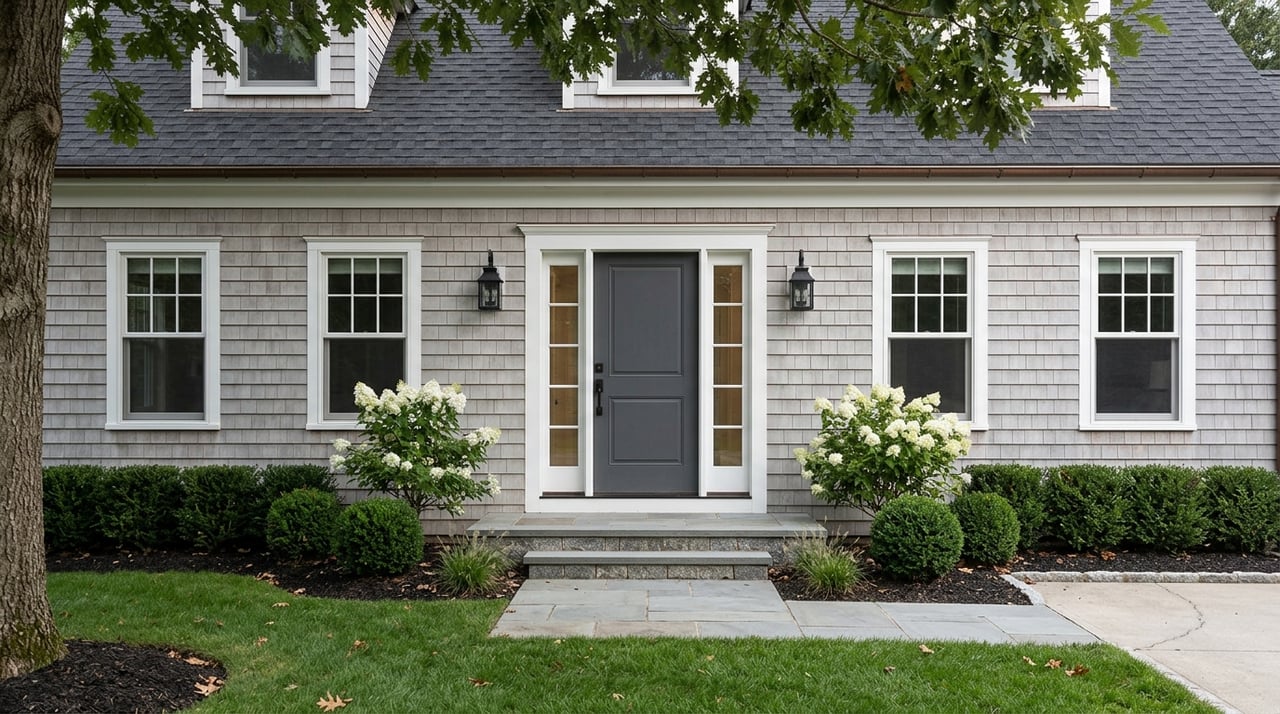
Your front approach sets the tone before buyers walk in. Simple landscaping, a cleaner entry, and a more polished exterior presentation can improve that first impression.
Select kitchen and bath refreshes
You do not always need a full renovation. Small cosmetic improvements in kitchens and bathrooms can help these rooms feel fresher without adding the time and complexity of a major construction project.
Greenwich Permit Rules Matter
One of the biggest mistakes sellers make is assuming every pre-list project can be done quickly. In Greenwich, that is not always the case.
The Town of Greenwich Building Inspection Division enforces the Connecticut State Building Code and issues building and trade permits. According to the town, building permits are required for additions or alterations to existing structures, new buildings, pools and spas, tennis or sports courts, exterior decks, retaining walls over 3 feet, fences over 7 feet, and demolition.
The town also says trade permits are required for electrical, plumbing, HVAC, and generator work. If your project touches structure or building systems, you should factor in time for permitting and inspections before you settle on a listing date.
The good news is that many finish-level tasks are permit-exempt when they do not involve structural changes. Greenwich lists painting, papering, tiling, carpeting, cabinets, and countertops among tasks that can be exempt from building or trade permits in the right circumstances.
That distinction is important. It means many of the fastest, highest-impact pre-list projects can stay in the cosmetic lane, while more ambitious work may require more planning.
Timing Your Sale Around the Work
If you are considering Concierge, timing should be part of the conversation from day one. The more cosmetic your scope, the easier it usually is to keep momentum and get to market faster.
A simple timeline often looks like this:
| Stage | Focus |
|---|---|
| Planning | Identify the highest-impact updates and confirm scope |
| Pre-list work | Complete cosmetic improvements, cleaning, and staging |
| Market prep | Photograph, finalize pricing strategy, and prepare launch |
| Launch | Bring the home to market in polished condition |
If a project may require permits, it is wise to address that early. A realistic schedule protects your launch date and helps avoid last-minute surprises.
What Concierge Can and Cannot Do
Compass Concierge can solve a real cash flow problem for sellers who want stronger presentation before listing. It can also create a more coordinated process when your agent helps guide project selection and prepares the home for market.
At the same time, it is best to view the program as a strategic tool, not a promise. Results are not guaranteed, terms can vary by market, and approval is subject to credit review and underwriting.
That is why a smart plan matters. The strongest approach is usually to tie every improvement to a clear purpose: better presentation, smoother launch timing, and stronger buyer response.
A Practical Greenwich Strategy
For most Greenwich homeowners, the best Concierge plan is straightforward. Focus first on visible improvements that make the home feel clean, current, and well cared for.
That often means avoiding large projects unless they are truly necessary. Cosmetic work such as paint, flooring, staging, decluttering, deep cleaning, landscaping, and small kitchen or bath refreshes can often do more for market readiness than a complicated remodel.
It also helps to stay aware of Greenwich’s permit rules before adding any structural or trade-related work. When you pair the right project list with a thoughtful launch plan, Concierge can become a useful way to prepare your home without taking on all the upfront cost at once.
If you are weighing what to do before listing, the key is not doing more. The key is doing what matters most, on the right timeline, with a clear plan for bringing your home to market.
If you want a practical, data-informed plan for your Greenwich sale, John Bainton can help you decide which pre-list updates are worth the investment and how to position your home for a strong launch.
FAQs
How does Compass Concierge work for a Greenwich home sale?
- Compass says it fronts the cost of eligible pre-list home improvement and marketing services, with zero due until closing, though repayment may also be triggered if the listing ends or 12 months pass from the start date, depending on the program terms.
What Compass Concierge projects make sense for Greenwich sellers?
- Common projects include staging, painting, floor repair or refinishing, carpet replacement, deep cleaning, decluttering, storage, landscaping, and targeted cosmetic updates in kitchens and bathrooms.
Do Greenwich pre-sale updates need permits?
- Not always. Greenwich says many finish-level tasks like painting, carpeting, cabinets, and countertops can be permit-exempt when they do not involve structural changes, while electrical, plumbing, HVAC, and many larger alterations do require permits.
Is Compass Concierge a traditional renovation loan?
- No. Compass says it is not the lender, and that Concierge financing is provided by Notable and subject to credit approval and underwriting.
When do you repay Compass Concierge costs?
- Compass says repayment is generally due when the home sells, but it can also come due if the listing agreement ends or 12 months pass from the Concierge start date, subject to specific program terms.
Should you use Compass Concierge for a full remodel before selling in Greenwich?
- For many sellers, the more practical use is a focused cosmetic package that improves presentation and market readiness, while larger projects may add complexity, require permits, and extend your timeline.