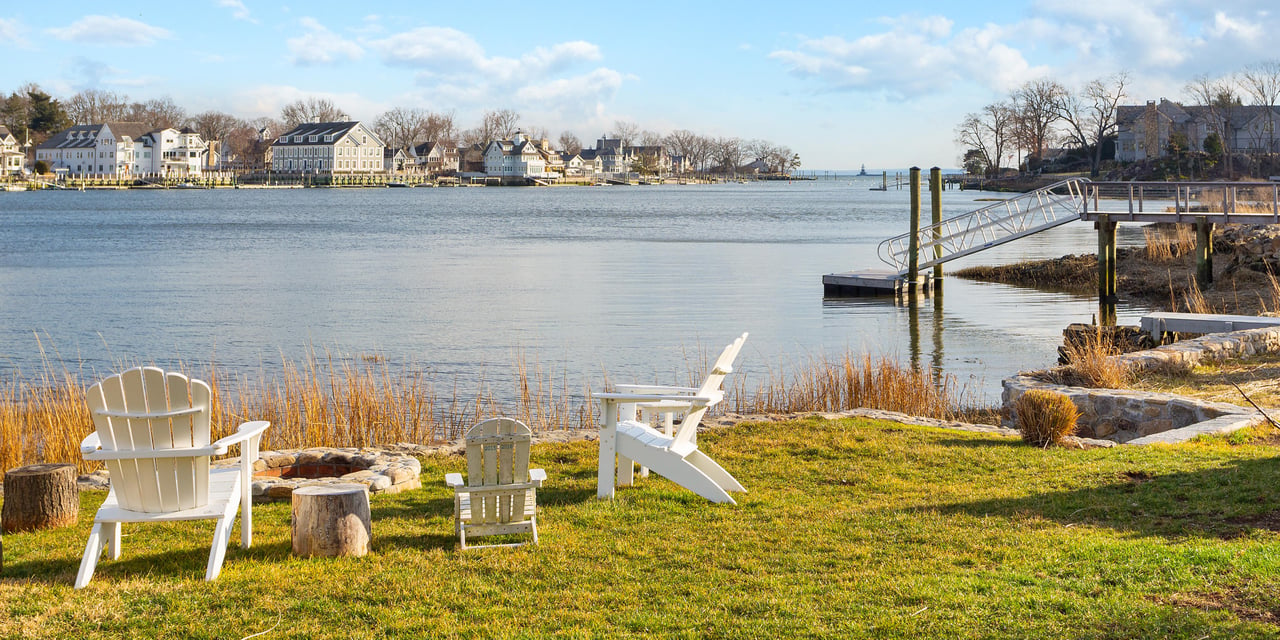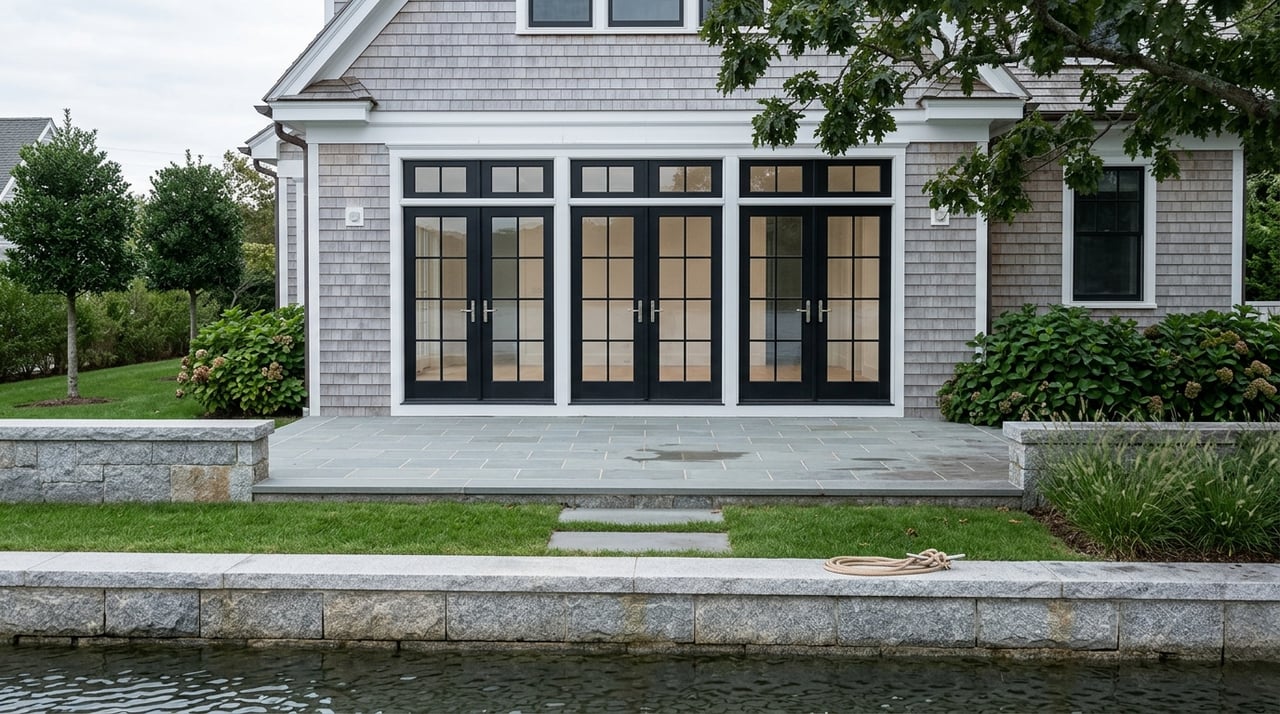
Waterfront in Greenwich can look like one market from the outside, but buyers and sellers know it does not behave that way. A home on one stretch of shoreline can command a very different price than a similar home just a short distance away. If you want to understand what really drives value in Greenwich waterfront homes, the key is to look past the word waterfront and focus on the details that shape usability, risk, and long-term appeal. Let’s dive in.
Greenwich Waterfront Is A Micro-Market Story
Greenwich has about 27 miles of shoreline, with distinct harbors, coves, and inlets including Byram Harbor, Greenwich Harbor, Smith Cove, Indian Harbor, Cos Cob Harbor, Greenwich Cove, and Tomac Creek. That matters because each area offers a different mix of privacy, water depth, boating utility, and setting.
In practical terms, waterfront value in Greenwich is highly local. Two homes may both sit on the water, but if one has better boating access, a more protected shoreline, or fewer ownership complications, buyers may see it as a very different opportunity.
Shoreline Type Sets The Baseline
The first filter on value is the type of waterfront you actually have. Harbor-front, cove-front, riverfront, and more open waterfront settings do not offer the same experience, and buyers tend to price them accordingly.
For example, Greenwich planning documents note that Smith Cove and Indian Harbor are shallower than the main harbor and are lined with waterfront homes, many with small private docks and floats. Cos Cob Harbor, by contrast, is a tidally influenced reach of the Mianus River with a federal navigation channel and active water-dependent uses.
That means buyers are often evaluating more than just whether a home touches the water. They are asking questions like:
- How protected is the setting?
- How usable is the water?
- How private does the property feel?
- Does the shoreline support the lifestyle they want?
A quieter cove may appeal to one buyer, while another may place more value on navigational access or a different harbor setting. That variation is one reason Greenwich waterfront pricing can look uneven from one area to the next.
Dock Potential Can Change Everything
One of the biggest value drivers is not simply water frontage, but whether that frontage comes with meaningful boating access. In Greenwich, that can be a major differentiator.
Connecticut regulates shoreline access carefully. The state says submerged lands and waters waterward of mean high water are held in trust by the state, and residential docks are subject to coastal permitting. New docks may require a Structures, Dredging and Fill permit or a combined Structures, Dredging and Fill/Tidal Wetlands permit, depending on the site.
That makes dock potential a scarcity issue, not a standard feature. A home with an existing permitted dock or clearly established boating access may compete in a different category than a similar property without those rights or approvals.
Why Existing Access Carries A Premium
Greenwich’s local boating rules show how limited access can be in practice. The town notes that there are no designated recreational mooring locations, Greenwich Harbor is shallow with few suitable mooring locations, Cos Cob Harbor has no public mooring fields, and the waiting list for a mooring at Great Captain Island is at least five years.
Waterfront owners may place a mooring within littoral rights, but that requires an annual permit. So when a property already has usable, permitted, or established access, buyers often treat that as a real competitive advantage.
For sellers, this means boating rights and access details should never be treated as a throwaway line in marketing. For buyers, it means you should verify what is existing, what is permitted, and what may be difficult or impossible to add later.
Flood Exposure Affects Value And Buyer Demand
Flood exposure is one of the most important value drivers in waterfront real estate, and it often has a bigger impact than buyers expect. It can shape insurance costs, financing requirements, renovation decisions, and eventual resale.
FEMA states that flood insurance is separate from homeowners insurance, and homes in high-risk flood areas with government-backed mortgages are required to carry flood insurance. Greenwich’s building regulations also reference flood hazard areas and topographic surveys when determining where standards apply.
That means two similar waterfront homes can feel very different from a cost and risk standpoint. If one property sits at a better elevation or presents fewer flood-related complications, it may appeal to a broader buyer pool.
Why Elevation Matters
Greenwich is actively studying sea-level rise, coastal flooding, and tidally impacted ponds through its Coastal Resiliency Assessment. That reinforces a simple point: flood exposure is not just a background issue in this market. It is part of how buyers evaluate long-term ownership.
Higher elevation, better drainage, and less complicated shoreline protection can reduce friction during underwriting and ownership. Even when buyers love the same view, they may assign more value to the home that appears easier to insure, finance, and maintain over time.
Views Still Matter, But They Are Not The Whole Story
A strong water view can absolutely support a premium, even without direct boat access. But a view-only property and a dockable property are not necessarily competing on equal terms.
Valuation guidance commonly separates water views, access, and amenities into different components of value. In Greenwich, that distinction matters because buyers may pay for the visual experience of the water, the lifestyle utility of the water, or both.
If you are comparing homes, it helps to think in layers:
- View value: what you see from the home
- Access value: whether you can reach and use the water easily
- Boating value: whether docks, floats, or moorings are feasible or existing
- Privacy value: how protected or secluded the setting feels
A beautiful view can drive demand on its own. But when that view is paired with practical access and favorable site conditions, the premium tends to be stronger.
Commute Convenience Adds Another Layer
Not every waterfront premium comes from the shoreline itself. In Greenwich, location convenience often plays a meaningful role in what buyers are willing to pay.
The town identifies Greenwich as the nearest Connecticut town to New York City and notes that it is served by the mainline of Metro-North Railroad. The Arch Street corridor also links I-95 to the Greenwich Metro-North station, downtown shopping, and Greenwich Harbor.
For some buyers, that combination is powerful. A waterfront home with easier access to the train, downtown, and major routes may command more attention than a similar property with a less convenient daily setup.
This is especially true in a market where buyers are often balancing lifestyle and logistics at the same time. The water may get them interested, but commute convenience can help justify the final price.
Condition And Renovation Shape The Final Number
Even in a premium waterfront market, the house itself still matters. Site value can be substantial, but condition often determines how much of that value a seller can actually capture.
Appraisal guidance emphasizes overall condition, structural quality, maintenance, and improvements. So a dated home on a great lot may still attract buyers, but deferred maintenance, older systems, or a less move-in-ready presentation can limit price performance.
What Buyers Notice Most
Buyers tend to respond strongly when a waterfront home combines a desirable site with a home that feels well-maintained and easy to enjoy from day one. That does not mean every property must be fully renovated. It does mean condition affects how confidently buyers stretch on price.
For sellers, smart preparation can matter here. If the lot and location are doing a lot of the heavy lifting, better presentation and fewer visible issues can help the home capture more of the site’s premium.
What This Means For Buyers And Sellers
If you are buying, the headline lesson is simple: not all Greenwich waterfront is interchangeable. You want to look closely at shoreline type, access rights, flood exposure, elevation, commute convenience, and the home’s actual condition before deciding what a property is worth to you.
If you are selling, the same factors shape how your home should be priced and presented. The strongest strategy is usually the one that explains the property clearly, supports the premium with real waterfront specifics, and addresses buyer concerns before they become objections.
That is where local, analytical guidance matters. In a market with so many micro-differences, the best outcomes usually come from understanding exactly which features are rare, which are costly to replicate, and which limitations buyers will notice right away.
If you are thinking about buying or selling a waterfront home in Greenwich, working with an advisor who understands shoreline nuance, pricing logic, and presentation strategy can make a meaningful difference. To talk through your options, connect with John Bainton.
FAQs
How does shoreline type affect Greenwich waterfront home value?
- Shoreline type affects value because harbors, coves, riverfront settings, and more open waterfront areas can offer different levels of privacy, water depth, boating utility, and overall usability.
Can every Greenwich waterfront lot get a dock?
- No. Dock feasibility depends on shoreline conditions, wetlands, navigation, and required state and local permits, so existing approved access can be a major value driver.
Does a water view add value without boat access in Greenwich?
- Yes. A water view can support a premium on its own, but it is usually a different premium from a property with direct boating access or an existing permitted dock.
Why does flood zone status matter for Greenwich waterfront homes?
- Flood zone status can affect insurance needs, financing requirements, and buyer demand, which can influence both ownership costs and resale appeal.
Do renovated Greenwich waterfront homes always sell for more?
- Not always, but condition usually affects how much of a waterfront site’s premium a seller can capture because buyers weigh maintenance, systems, and move-in readiness carefully.